
Record baseline figures
Route, load and previous fuel records set the comparison framework.
Fuel-consumption optimisation
Eco tuning focuses on usable torque and your driving profile. What matters is the change in actual operation.
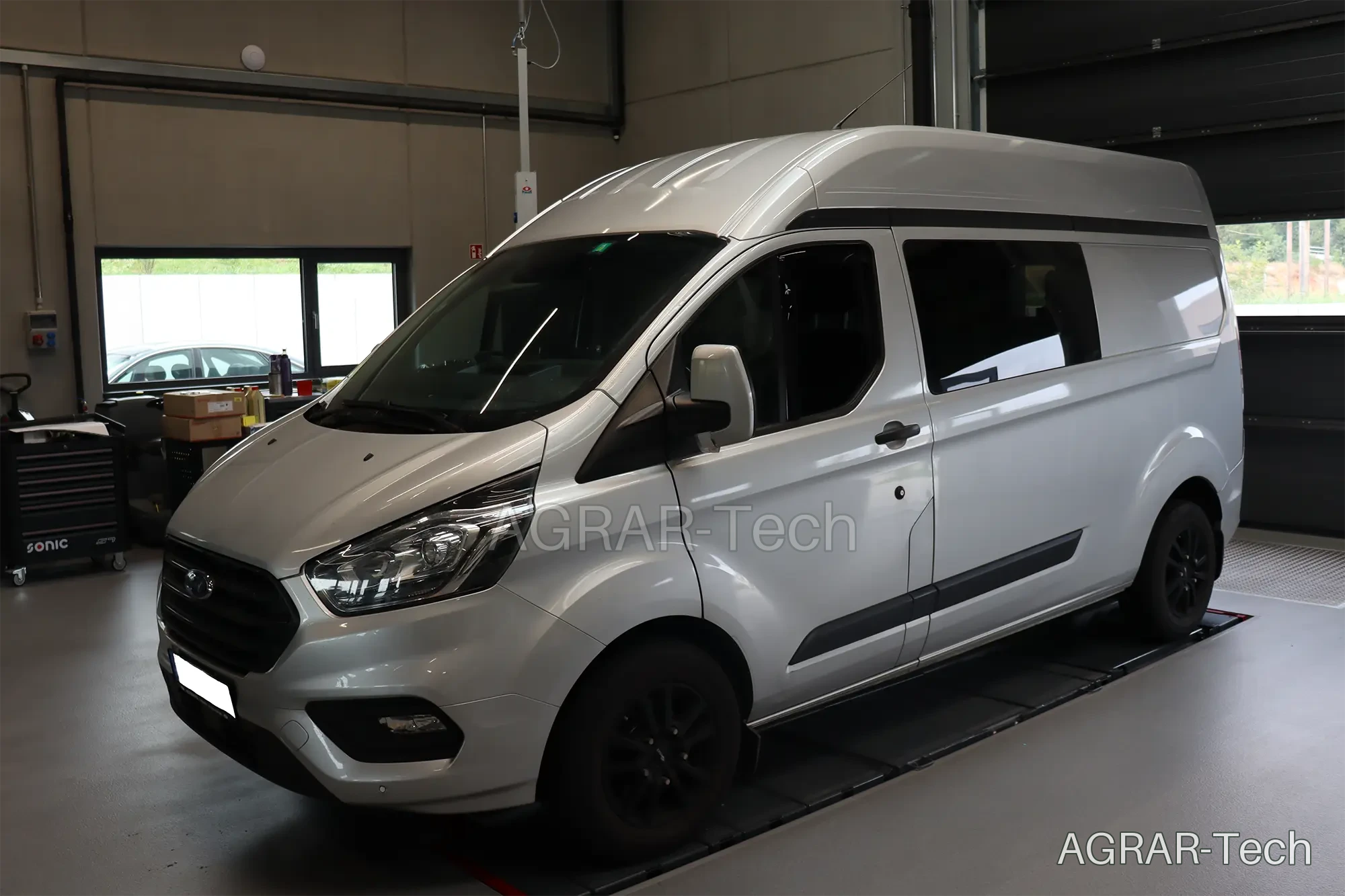
CARS, VANS AND COMMERCIAL VEHICLES
Long journeys, stop-start traffic and towing load an engine differently. A torque characteristic matched to use can help make suitable operating points usable and avoid unnecessarily high engine speeds.
This does not imply a fixed fuel saving: driving style, payload, route profile and technical condition affect the result. Frequent use of extra power may increase fuel consumption.
THREE AREAS OF ENGINE CALIBRATION
Injection quantities and timing are considered together with load, engine speed and air supply. Calibration must suit the combustion process.
On petrol engines, suitable ignition timing can influence combustion. Fuel quality, knock control and component protection set limits.
Air and fuel delivery are assessed together. A suitable mixture depends on operating conditions and exhaust-aftertreatment requirements.
MAKING THE COMPARISON MEANINGFUL
Route, load and previous fuel records set the comparison framework.
We weigh pulling power, engine-speed range and everyday usability together.
Comparable operating conditions and several measurements are more meaningful than a single trip.
Fault memory, maintenance and existing problems are assessed before calibration. Tuning does not replace repairs. Lower fuel consumption is not general proof of reduced NOx or other pollutant emissions.
YOUR NEXT STEP
Tell us about the routes, loads and your current fuel consumption.
YOUR NEXT STEP
Let's find out together.